The Intersection of Payment Systems and Game Provider Features in Building Jackpots for Mobile Table and Slot Play
Wendy Washington · Nov 23, 2026
The Intersection of Payment Systems and Game Provider Features in Building Jackpots for Mobile Table and Slot Play
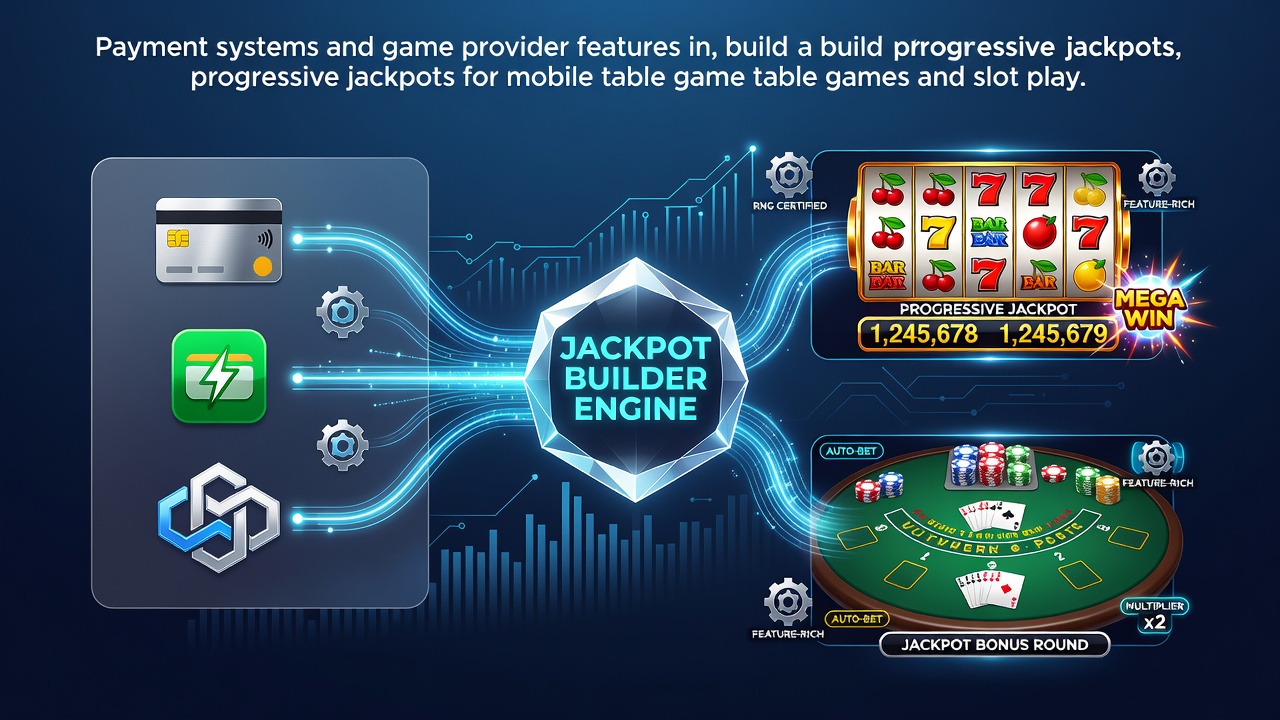
Payment systems and game provider features intersect at multiple points when operators build jackpot pools for mobile table games and slot machines, and data from transaction logs shows these connections drive accumulation rates across portable platforms. Mobile users initiate deposits through various processors that route funds into centralized pools, while studio-designed mechanics such as random multipliers and progressive triggers allocate portions of each wager to shared prize structures.
Core Mechanics of Payment Integration
Payment gateways process deposits in real time, and operators allocate a fixed percentage of each stake directly into progressive jackpot ledgers maintained by game providers. This flow occurs seamlessly on smartphones because modern APIs handle verification within milliseconds, allowing wager data to update jackpot meters without interrupting gameplay. Figures from regulatory filings indicate that mobile transactions now account for the majority of contributions to these pools in many jurisdictions.
Secure tokenization methods protect user credentials during these transfers, and encryption protocols ensure that every bet contributes accurately to the growing totals. Game studios embed code that recognizes incoming transaction metadata, which then activates specific jackpot-building algorithms tailored for both reel-based slots and live dealer tables accessed on handheld devices.
Game Provider Tools That Shape Accumulation
Providers develop modular features including seed amounts, contribution rates, and eligibility rules that determine how quickly jackpots grow in mobile environments. These tools connect directly with payment rails so that each completed transaction triggers an immediate increment in the prize pool. Observers note that studios often synchronize these features with mobile-specific optimizations such as reduced latency modes to maintain consistent accumulation even during peak usage periods.
One documented approach involves tiered jackpot structures where smaller pools feed into larger ones, and payment systems supply the volume needed to sustain this hierarchy across thousands of simultaneous sessions. Researchers tracking mobile gaming patterns have recorded higher contribution frequencies when providers integrate instant payout confirmations that encourage repeat wagers without delays.
Mobile-Specific Dynamics in November 2026
As of November 2026, updates to cross-border payment standards have allowed faster settlement times for mobile casino transactions, and this shift has increased the velocity at which jackpots build in both slot and table formats. Game providers have adjusted their contribution parameters to match these quicker processing windows, resulting in more frequent meter updates visible to players on their devices.

Live table environments benefit particularly because dealers accept bets through digital interfaces that sync with the same payment processors used for slots. This unified approach lets operators maintain single jackpot pools that draw from both reel spins and card game wagers, expanding the participant base and accelerating growth rates according to industry transaction reports.
Regulatory Frameworks Guiding the Intersection
Authorities in multiple regions require transparent reporting on how payment volumes translate into jackpot contributions, and these rules influence the technical specifications providers must meet. Data compiled by the Malta Gaming Authority shows consistent patterns in mobile contribution percentages across licensed operators, while comparable statistics from the Nevada Gaming Control Board highlight regional variations in pool distribution methods.
Compliance teams verify that game features align with payment audit trails to prevent discrepancies, and this verification process relies on automated reconciliation tools developed jointly by studios and financial technology partners. Such alignments ensure that every mobile bet increments the correct jackpot segment without manual intervention.
Technical Collaboration Examples
Studio alliances have produced standardized interfaces that let payment processors communicate contribution percentages directly to jackpot engines, and these connections operate across diverse mobile operating systems. One case study examined how a reel mechanic adjusted its multiplier triggers based on real-time deposit velocity, resulting in measurable changes to pool growth during high-traffic intervals.
Another integration linked live dealer bonus rounds to the same transaction network used for slot progressives, allowing players to move between formats while their wagers continue feeding a shared accumulation system. Reports from the Canadian Gaming Association document similar collaborative efforts that maintain regulatory compliance while expanding mobile jackpot accessibility.
Conclusion
The documented connections between payment processing speeds, game feature configurations, and mobile platform capabilities continue to shape how jackpots accumulate in both table and slot environments. Operators and providers maintain these linkages through ongoing technical refinements that respond to transaction data and regulatory requirements across different markets.