Developer Tactics Linking Reel Mechanics to Live Table Bonuses Through Varied Transaction Networks in Smartphone Formats
Anna Brooks · Oct 26, 2026
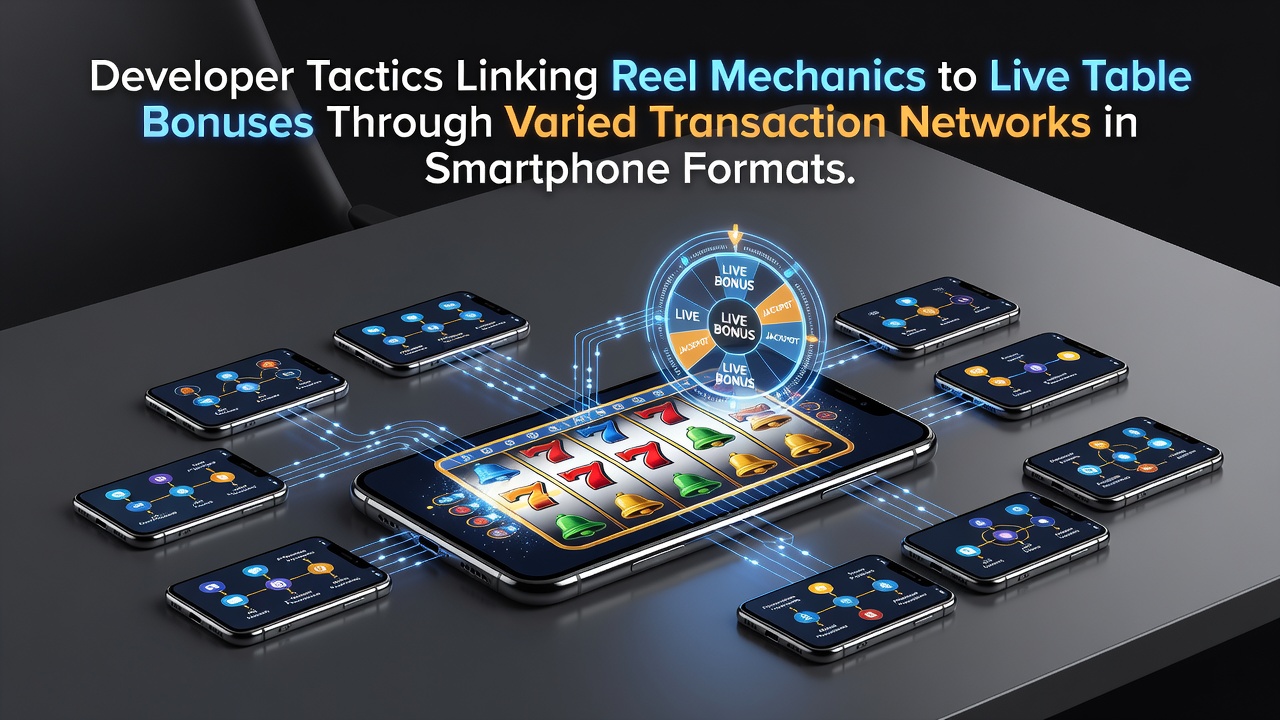
Developer Tactics Linking Reel Mechanics to Live Table Bonuses Through Varied Transaction Networks in Smartphone Formats
Software teams build connections between slot reel systems and live dealer bonus structures by routing data through multiple payment processors that operate across smartphone operating systems, and this approach allows seamless transfers of player progress from automated reel spins to interactive table environments where bonuses accumulate based on real-time wagers.
Reel mechanics typically rely on random number generators that determine symbol outcomes, yet developers link these results to live table bonuses by embedding transaction triggers that activate when specific reel patterns appear, while varied networks handle the financial side through APIs that support instant deposits and withdrawals on devices running iOS or Android.
Core Integration Methods
Teams at major studios coordinate reel events with table bonuses by establishing middleware layers that monitor gameplay states, and these layers communicate with transaction networks such as digital wallets, bank transfers, and cryptocurrency gateways to verify funds before unlocking bonus rounds in live dealer sessions. Observers note that this process reduces latency on smartphones because the networks prioritize low-bandwidth data packets during mobile connections that fluctuate between Wi-Fi and cellular signals.
One studio collaboration revealed that reel-to-table transitions occur when a player hits a designated combination, after which the system routes a micro-transaction through a chosen network to credit the live table account, and this method supports progressive jackpot builds that carry over from reel sessions into dealer-hosted games without requiring separate logins.
Transaction Network Variations
Varied networks play a central role because each handles different currencies, regulatory requirements, and speed profiles, so developers implement fallback protocols that switch between providers when one network experiences delays on certain smartphone models or regions. Figures from industry reports indicate that integration success rates improve when applications test multiple pathways simultaneously, allowing the system to select the fastest route for bonus activation in live environments.

Payment pathways include traditional card processors alongside emerging options like instant bank APIs and digital asset transfers, and developers map reel mechanics to these options so that bonus eligibility checks happen in parallel with network confirmations. Research indicates that in October 2026 several platforms expanded support for regional networks in Europe and Asia to accommodate growing smartphone user bases in those markets.
Smartphone Platform Adaptations
Adaptations for smartphone formats focus on touch-optimized interfaces that display reel animations alongside live table feeds, while background processes manage transaction handoffs without interrupting the user view. Experts have observed that memory-efficient coding keeps these dual systems running smoothly on devices with limited RAM, and the result is continuous gameplay where reel wins feed directly into table bonus pools through the selected network.
Case examples show developers using modular code libraries that plug into different transaction providers, which enables updates to one network without affecting reel or table logic. According to data from the Malta Gaming Authority industry reports, such modularity has supported compliance across multiple jurisdictions while maintaining performance on portable devices.
Technical Challenges and Solutions
Challenges arise when network latency affects bonus timing, yet solutions involve predictive algorithms that pre-authorize small transactions based on reel probability models, and this keeps live table sessions responsive even during peak mobile usage hours. Another approach uses edge computing on smartphones to handle initial reel calculations locally before syncing with central servers and chosen payment networks.
Studies from academic sources highlight that synchronization between reel states and live dealer interfaces relies on standardized data formats, which allow varied transaction networks to interpret bonus triggers uniformly regardless of the underlying payment method. Those who've examined code repositories find that developers test these formats extensively on emulators representing popular smartphone hardware configurations.
Future Developments
Developments continue as new networks emerge, and teams plan to incorporate faster verification methods that further tighten the link between reel mechanics and table bonuses in mobile settings. Data shows increased adoption of unified APIs that streamline connections across platforms, reducing the need for custom integrations per network provider.
Conclusion
Overall the tactics described demonstrate how reel mechanics feed into live table bonuses through coordinated transaction networks optimized for smartphone use, and ongoing refinements keep these systems aligned with evolving device capabilities and payment options. The approach supports fluid player experiences across reel and dealer formats while meeting technical and operational requirements in the mobile sector.